What June 6th’s Executive Order Means for Your Security Strategy

Pamela Weaver
Securin Team


Aug 21, 2025
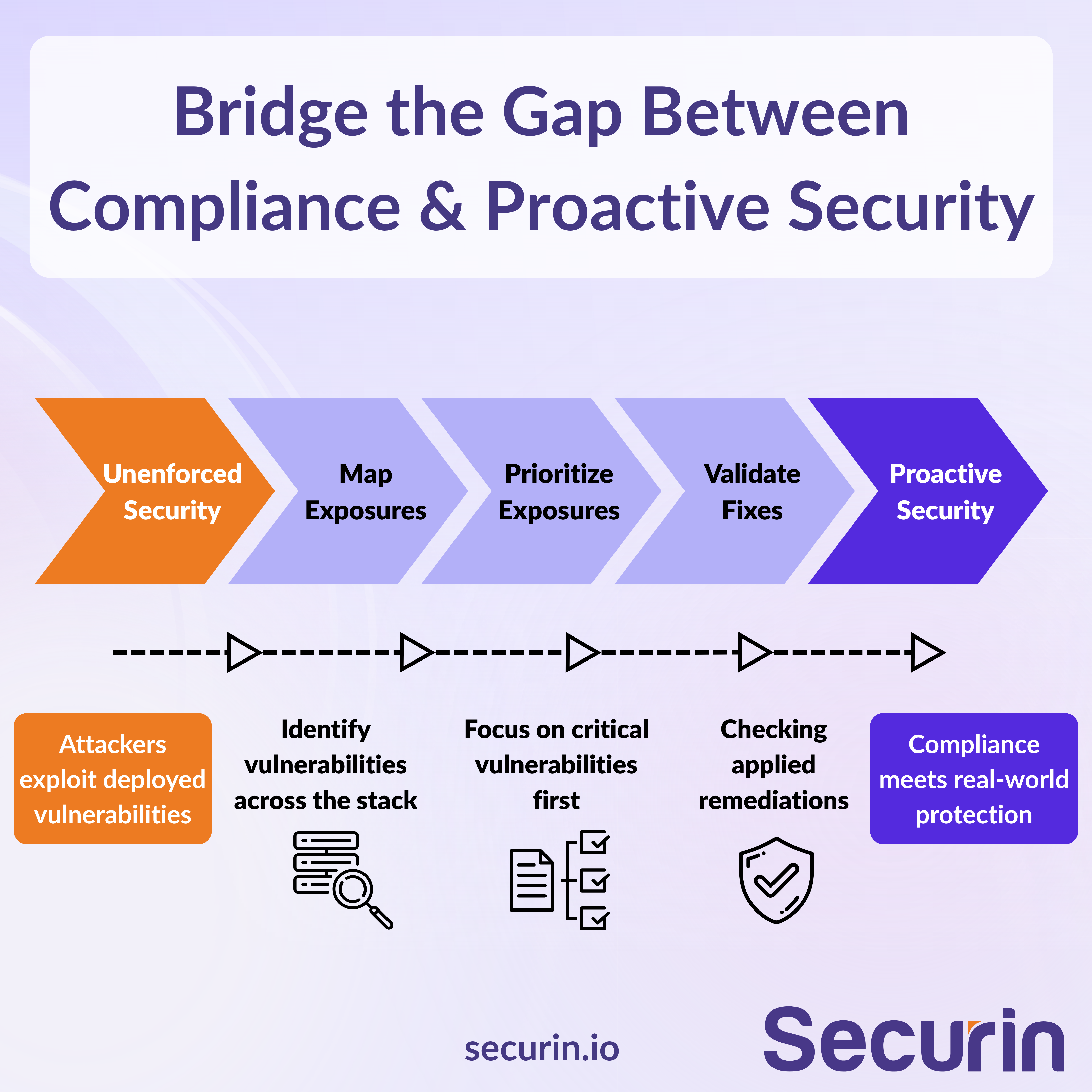
On June 6, 2025, the White House issued a new Executive Order (EO) that reshapes U.S. cybersecurity strategy. At its core, the EO emphasizes Pre-emptive Exposure Management which uses artificial intelligence (AI) to identify and mitigate vulnerabilities before they can be exploited. This is a significant shift, one that aligns with Securin’s own vision for proactive, intelligence-led security.
But the EO is just one piece of the puzzle. Weeks later, the administration unveiled its America’s AI Action Plan: a sweeping roadmap for U.S. leadership in AI. Together, these moves highlight the central role AI will play in both innovation and security.
So what’s moving forward—and what trade-offs should security leaders watch?
What’s Moving Forward
AI for Vulnerability Management
The order “Refocuses artificial intelligence (AI) cybersecurity efforts towards identifying and managing vulnerabilities, rather than censorship.” This shift towards proactive use of AI for exposure management aligns with the direction many security teams are heading – leveraging automation to identify and prioritize risks before they become incidents.
Secure Development Focus
The order “Directs the federal government to advance secure software development" and addresses Border Gateway Protocol (BGP) security – these are fundamental infrastructure concerns that often get overshadowed by more visible security initiatives.
Post-Quantum Readiness
The EO also emphasizes preparing for post-quantum cryptography, which refers to security systems strong enough to withstand attacks from future quantum computers. Traditional encryption methods, like RSA and ECC, are expected to be breakable once quantum computing matures. Post-quantum readiness means developing and implementing new encryption standards now.
The emphasis on post-quantum cryptography preparation acknowledges a timeline most organizations haven't fully grappled with yet. Getting federal agencies aligned on this creates a forcing function for broader industry adoption.
The Trade-offs
Elimination of software security attestation requirements:
This removes administrative overhead, but also potentially reduces accountability mechanisms that helped drive security investment decisions. Similarly, narrowing cyber sanctions to foreign actors only may limit response options for domestic threats.
The decision to end federal digital identity initiatives:
This removes complexity, but also sidesteps identity verification challenges that aren't going away.
A bet on technical fundamentals over administrative processes:
This EO appears to bet on technical fundamentals over administrative processes. Time will tell whether that focus delivers measurably better security outcomes for critical infrastructure and federal systems.
Where the AI Action Plan Fits
The America’s AI Action Plan, unveiled in July 2025, builds on these themes but takes a broader view. It sets ambitious goals for accelerating AI innovation, deregulation, open-source adoption, and global leadership in AI exports.
Dr. Srinivas Mukkamla, CEO of Securin, sees both promise and risk in this dual-track approach:
“The White House’s America’s AI Action Plan lays out a bold roadmap for U.S. leadership in artificial intelligence. It focuses on accelerating innovation through deregulation, protecting free speech in AI systems, promoting open-source models, and driving adoption across industries like healthcare and defense. At the global level, it champions U.S. exports and seeks to counter authoritarian AI norms through international diplomacy and stricter export controls.
But as ambitious as the plan is, it leaves serious cybersecurity gaps that adversaries could exploit—echoing concerns from S&P 500 leaders. What’s missing are universal AI security standards, oversight for third-party providers, and scalable, real-time incident response. Without active defenses against threats like data poisoning and model evasion, the AI race becomes a security risk.”
That’s why it matters that cybersecurity leaders like Kiran Chinnagangannagari, Securin’s Chief Technology Officer (CTO), were invited to testify before the U.S. Congress Homeland Security Subcommittee on Securing AI to Strengthen Cybersecurity.
Kiran’s message was clear: Securing AI isn’t optional—it’s a national and economic imperative. And it demands coordinated action from policymakers, regulators, and the people who build and defend these systems every day.
The Bottom Line
This EO signals a shift towards greater agency and industry discretion in cybersecurity policies. For some observers, that’s a pragmatic reorientation towards real-world threats; for critics, it has the potential to leave dangerous gaps in software supply chain and identity defenses. As with any legislation, outcomes will depend on follow-through.
For security leaders, the message is clear: now is the time to double-down on proactive, intelligence-led strategies that don’t just react to threats, but anticipate them. The AI era is here. With smart policies and proactive defenses, we can make it secure.
Share this post on: